Stories & Projects

Tribal LWCF projects — and what we're learning.

A growing collection of project profiles, video interviews, and case studies from Tribal Governments navigating the Land and Water Conservation Fund. Successes alongside the challenges, in the words of the people doing the work.

This section is in development

We are actively gathering Tribal project stories, video clips, and interviews to populate this section. If your Tribe has pursued LWCF funding — whether successfully or not — we want to hear from you. Stories from the field are how other Tribal Governments learn what is possible. Share your story.

Featured projects

Stories from the field.

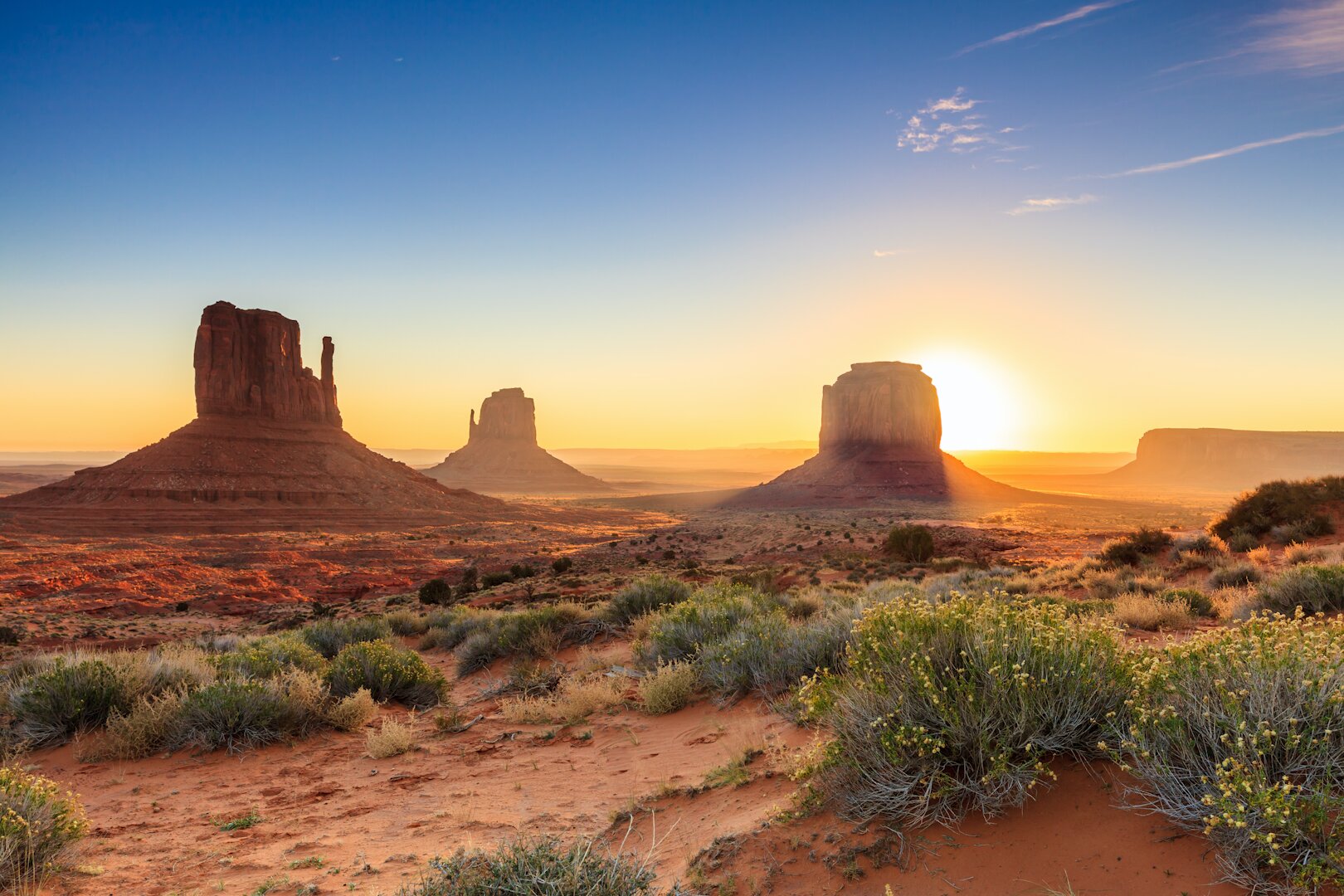
Aerial landscape view representing Tribal lands featured on the LWCF Tribal Hub Stories & Projects page.
Coming soon
Tribal Government Spotlight

Project profiles in development

We are gathering project profiles, recorded interviews, and short documentary clips from Tribal Governments who have navigated the LWCF process. Have a story to share? Reach out — we're actively building this section with our partners.
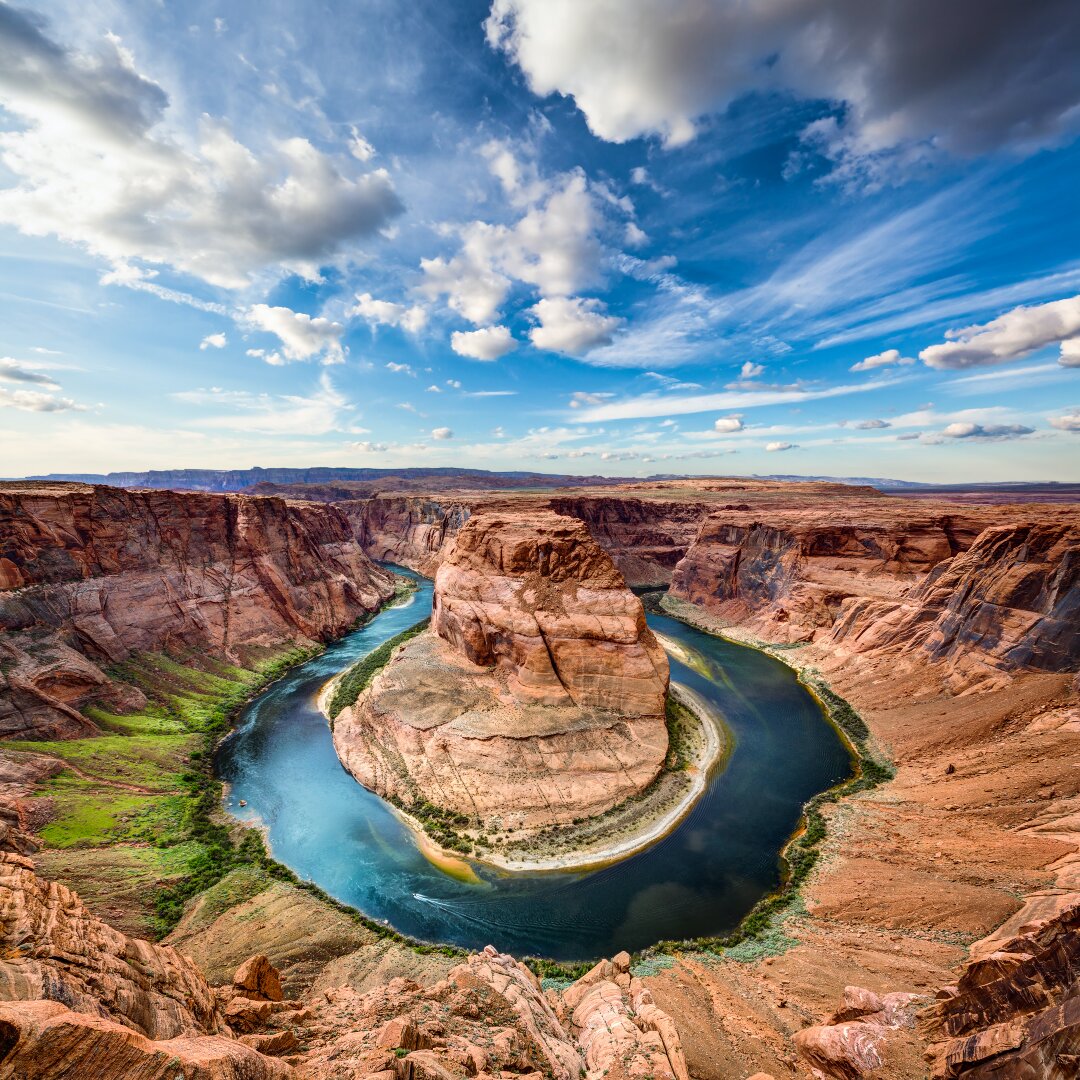
Canyon landscape representing a Southwest Tribal cultural landscape protection story in development.
Southwest
Story placeholder

Cultural landscape protection

How a Tribal Government used LWCF in coordination with co-stewardship arrangements to protect a culturally significant landscape — and the structural barriers they navigated to get there.

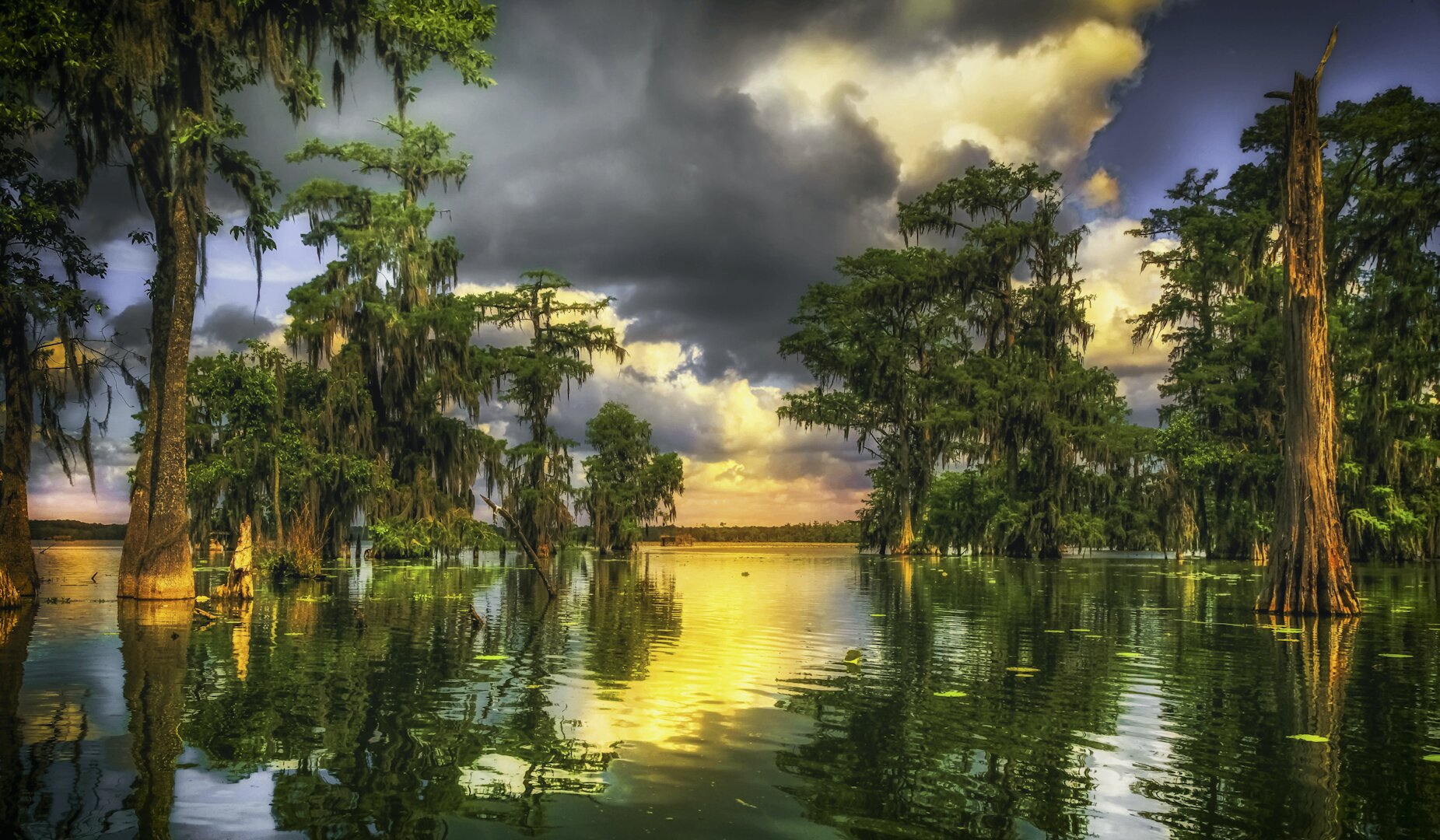
Cypress trees draped in Spanish moss at sunset over still water — placeholder for a Great Lakes Tribal outdoor recreation infrastructure story in development.
Great Lakes
Story placeholder

Outdoor recreation infrastructure

Building Tribal park infrastructure through ORLP — what changed under the EXPLORE Act, and what the application process looked like in practice.

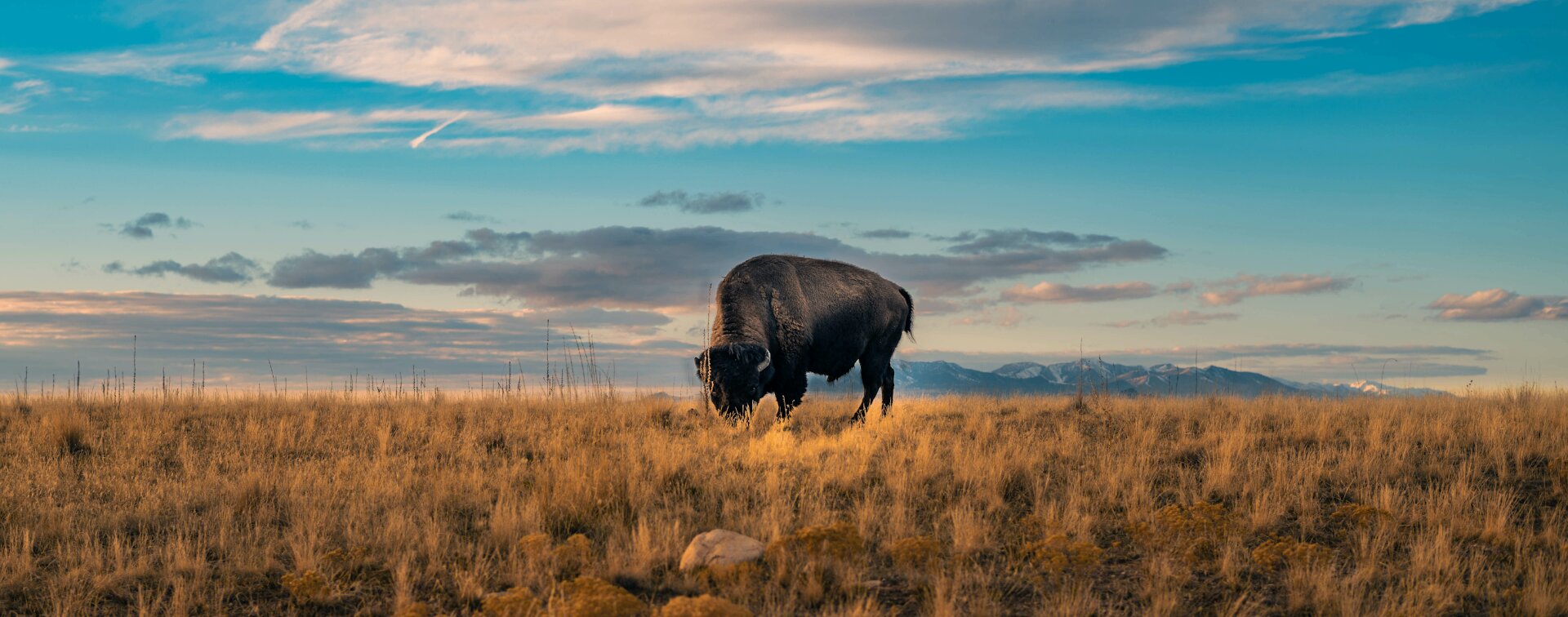
A bison grazing across an open prairie at sunset — placeholder for a Great Plains Tribal LWCF story in development.
Great Plains
Story placeholder

Co-stewardship across the prairie

How a Plains Tribal Government is using LWCF acquisition funding alongside co-stewardship agreements to expand access to ancestral lands and habitat.

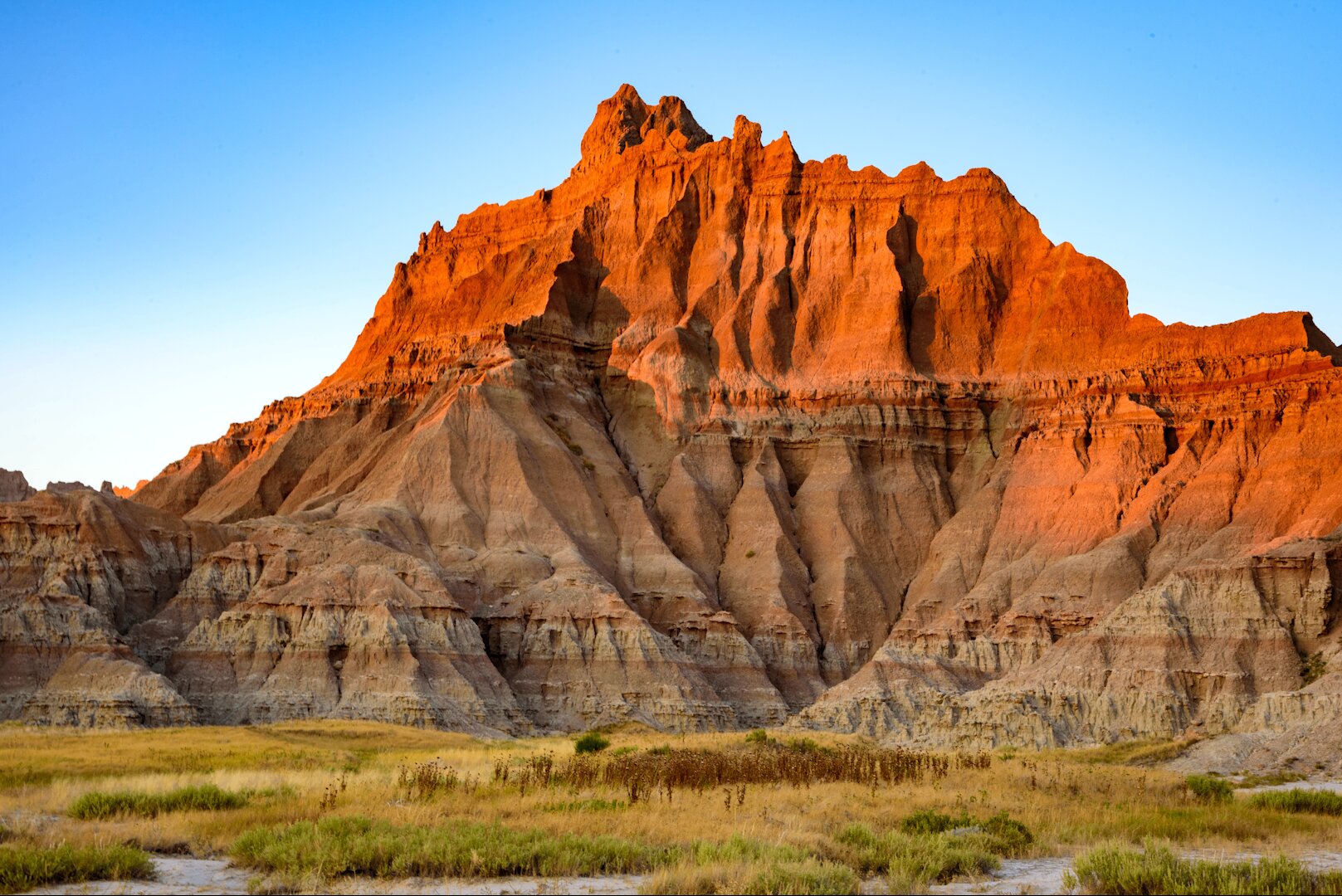
Glowing red rock formation in the Badlands at sunrise — placeholder for a Northern Plains Tribal LWCF story in development.
Northern Plains
Story placeholder

Sacred landscapes & access

A Northern Plains Tribal Government navigating Section 6(f) restrictions while securing permanent public access to a culturally significant landscape.

The honest picture

Successes alongside the challenges.

Tribal storytelling means telling the full story — including the structural barriers that keep dollars from reaching Tribal lands. These are the recurring themes from the conversations we've had so far.

State intermediary requirements

Most LWCF dollars flow through state agencies. Tribal Governments — sovereign nations — must work through structures that were not designed with them in mind.

Matching fund obligations

Standard 50/50 match requirements can be prohibitive. New Mexico's S.B. 169 is one model for removing this barrier; advocacy is ongoing in other states.

Limited outreach & technical assistance

Many Tribal Governments report learning about LWCF only through informal networks. Dedicated, sustained outreach from state liaisons remains uneven.

Section 6(f) perpetuity concerns

LWCF-funded sites carry permanent federal use restrictions. Tribal Governments need clarity on how these intersect with sovereignty and future land-use decisions.

Help us build this section

Has your Tribe applied for LWCF — or wanted to?

Whether the application was funded or not, your experience is useful for other Tribal Governments trying to navigate the same pathways. Reach out to share a project, schedule an interview, or send media we can highlight.

Share your story